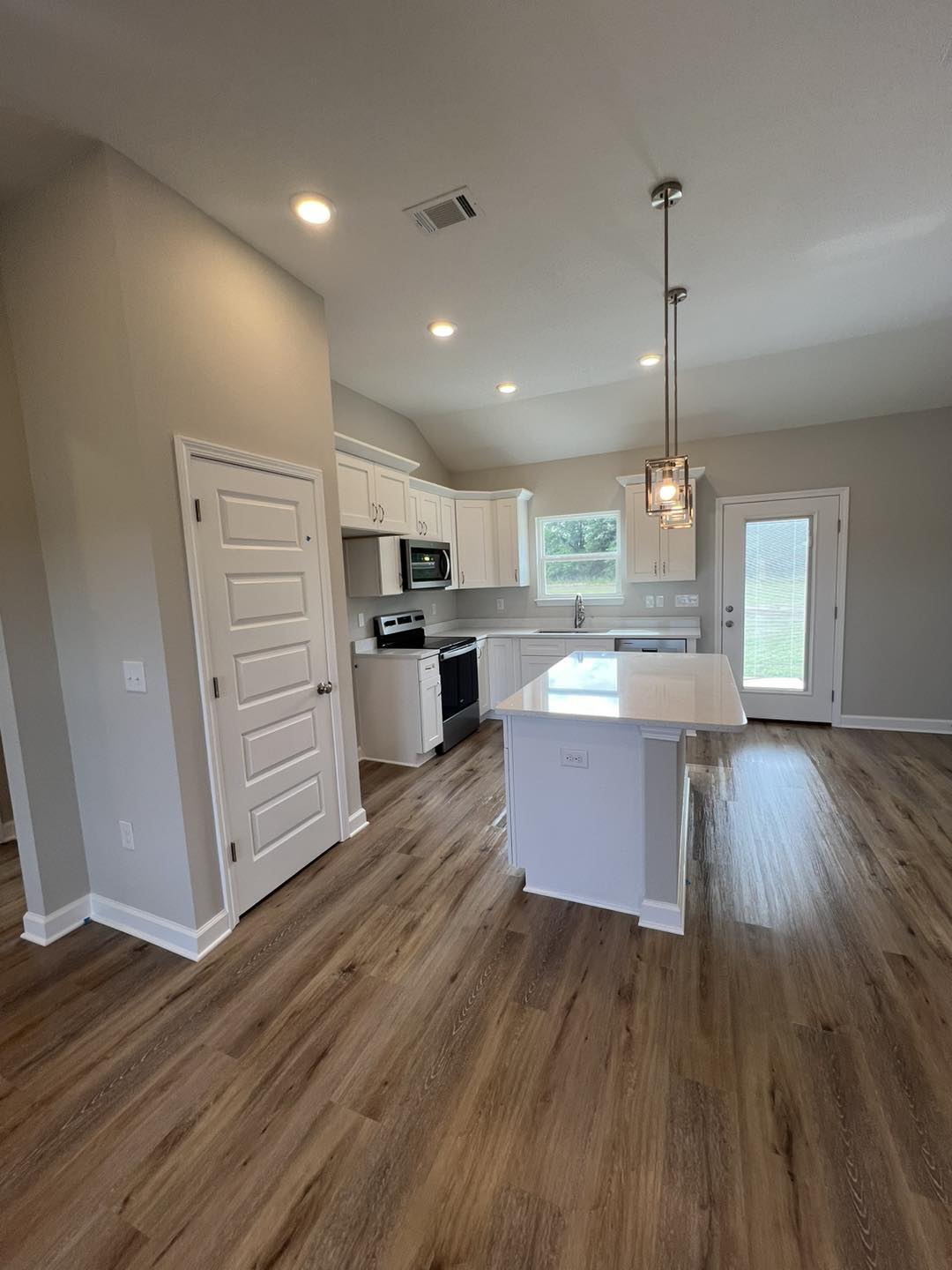
The Art of Seamless Transitions: Blending Flooring Styles in Open Plan Spaces Dec 27, 2025
The first step in blending flooring styles is understanding the purpose of your spaces. Open-plan areas often serve multiple functions: kitchen, dining, and living areas might all share a visual line but have distinct uses. To maintain a seamless flow, choosing flooring transitions that visually connect the spaces while respecting their particular functions is crucial. This can be done using materials that complement each other in color, texture, or pattern.
A popular strategy among interior designers is the use of consistency in color palette. For instance, pairing light oak wood in the living room with light ceramic tiles in the kitchen helps maintain a uniform look. At Clean Cut Construction, we recommend choosing flooring materials that share a similar tone, as this can substantially reduce the visual jarring effect often found in misaligned transitions. A consistent color palette promotes visual harmony and a streamlined elegance across different zones.
Texture can also play a pivotal role in creating seamless transitions. Mixing textures such as smooth and matte finishes can add depth and interest to your open-plan space. For example, a matte-finished hardwood can lead into a glossy tile kitchen, the contrast providing an unexpectedly chic element without overwhelming the senses. Understanding and expertly merging these textural nuances can transform a space from ordinary to extraordinary.
Patterns should be approached with a keen eye for balance. Introducing different patterns, like herringbone wood flooring adjacent to simple porcelain tiles, can animate large spaces. Nevertheless, it's essential to maintain a balance to prevent overwhelming the eye. Clean Cut Construction's design experts suggest selecting one dominant pattern and using smoother transitions to your advantage. This creates focal points without fragmenting the space.
A seamless transition is also about the functional continuity of space. Utilitarian areas such as the kitchen might require more durable, easy-to-clean options, whereas a lounge area could afford more luxurious finishes. Transition strips or borders are an effective way to achieve this while contributing to the overall design excellence. These subtle boundaries can ensure a neat finish, giving each area its character without disturbing the overall flow.
Finally, consider underfoot comfort and noise management as part of your transition strategy. The choice of underlayment can vastly enhance soundproofing and comfort, particularly important in a bustling open space. By consulting with professionals like Clean Cut Construction, homeowners can ensure that their space is not only visually appealing but also functional and comfortable.
In conclusion, the art of seamless transitions in open-plan spaces is about more than just the choice of flooring materials. It's about creating a symphony of elements where color, texture, pattern, and functionality play their parts harmoniously. At Clean Cut Construction, we understand that successful transitions are not simply about flooring but about crafting spaces where the flooring becomes a silent partner in the visual story of your home. Embrace creativity, seek professional guidance, and let your open-plan space be a testament to your style, taste, and modern living standards.
/filters:no_upscale()/filters:format(webp)/media/46cd4c16-3ae7-4b06-8c32-d157dc4046ab.jpg)
/filters:no_upscale()/filters:format(webp)/media/33b57032-c8fa-4ab8-9b88-eb78e914d485.jpg)